
The Invisible Majority: Why We're Building a Brand for People Who React to Everything
If you’ve ever walked into a department store and felt an immediate, pounding headache, you’ve probably been told you’re being dramatic. If you’ve had to ask a coworker to stop using a specific plug-in air freshener because it makes your throat close up, you’ve likely seen that polite but confused tilt of the head.
For a long time, the personal care industry has treated people with fragrance sensitivities as a tiny, difficult-to-please niche. We’re the "sensitive" ones. The outliers. The people who need special, clinical-looking bottles tucked away on the bottom shelf of the pharmacy.
But here’s the thing: we aren’t a fringe minority. We’re a third of the population.
When I started Kynd Alchemy, I wasn't just looking to make another fragrance free lotion or soap. I was looking to solve a problem that is statistically massive yet culturally ignored. We are building this brand for the millions of people who have been forced to navigate a world that refuses to stop spraying, scenting, and "masking" everything we touch.
The data behind the "dramatic" reaction
It’s easy to feel like an island when your skin flares up from a "natural" soap or when a scented candle sends you into a sneezing fit. But the numbers tell a different story. Recent studies show that about one-third of the general population reports adverse health effects from fragranced products.
Think about that for a second. One in every three people you walk past on the street is struggling with some form of reaction to the invisible clouds of chemicals we’ve deemed normal.
It gets deeper. Around 9-10% of people experience reactions so severe they are actually considered disabling, costing them workdays or even their jobs. And this isn’t just a United States phenomenon. In Japan, peer-reviewed population studies put Multiple Chemical Sensitivity (MCS) prevalence at roughly 6 to 8% of adults. Still a striking number for a condition most people have never heard of.
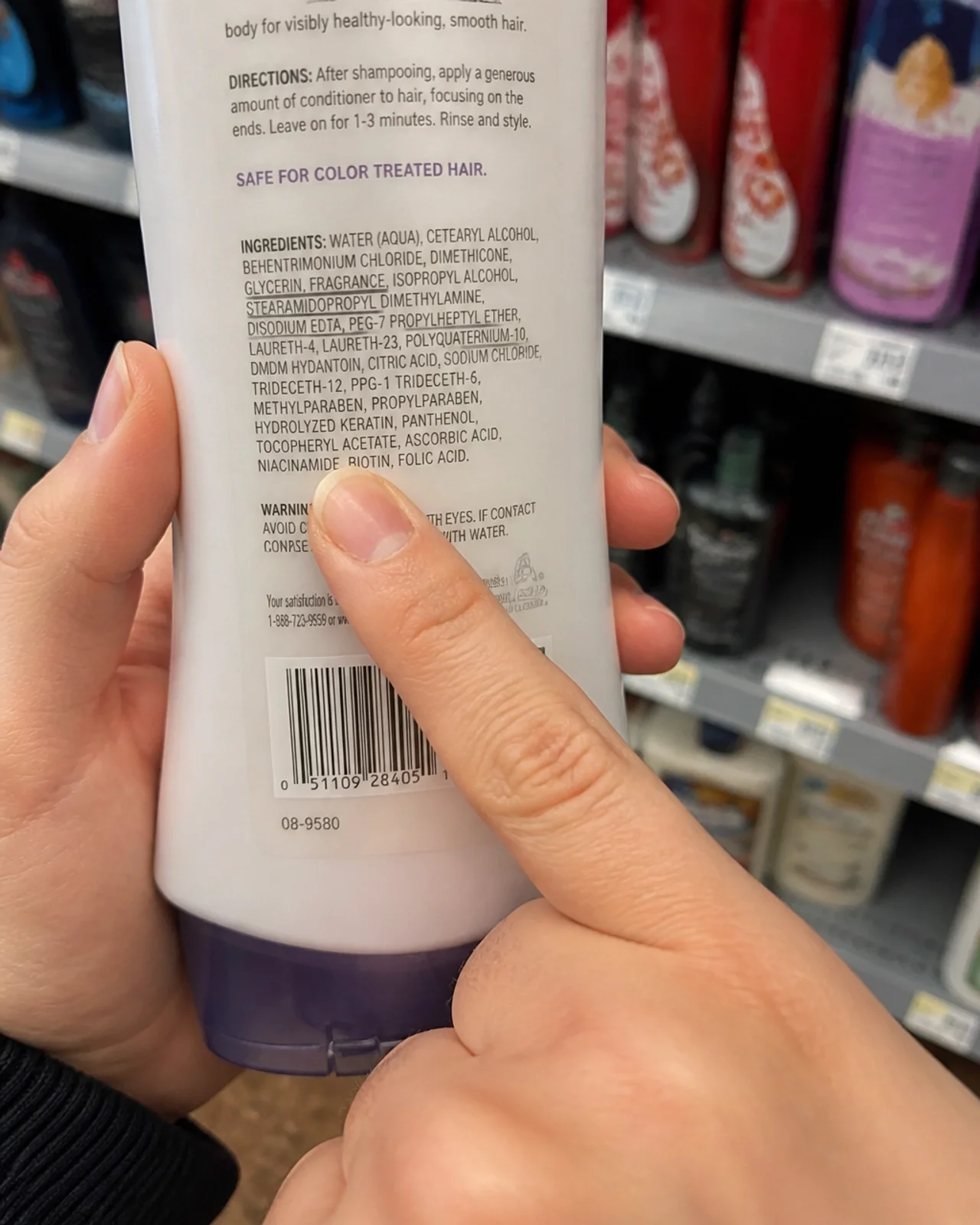
We aren’t a fringe group. We are a significant portion of the population that has been effectively ignored by a fragrance industry worth an estimated $85 billion a year. We’ve been told to "just find something unscented," as if that’s a simple task. (Spoilers: it’s not, and "unscented" is often just another word for "fragrance masked with more chemicals.")
Why "fragrance-free" shouldn't be a dirty word
In the beauty world, fragrance is often treated as the soul of a product. It’s the marketing hook. It’s the "experience." Brands spend millions developing a specific scent profile so that when you use their fragrance free skincare (which often isn't actually fragrance-free), you feel a certain way.
But what about the experience of not having a migraine? What about the luxury of skin that doesn't itch, burn, or break out in hives?
I believe that fragrance-free products should be the gold standard, not the secondary option. For too long, "fragrance-free" has been synonymous with "boring" or "medicinal." The industry assumes that if you don't want your soap to smell like a synthetic tropical forest, you probably don't care about the texture, the quality of the ingredients, or the aesthetic of the bottle on your counter.
They’re wrong. We care deeply. We want products that work, products that feel good, and products that don't make us sick. We want truly fragrance-free soap that doesn't compromise on the science of skin health.
Navigating the invisible cloud
Living with these sensitivities is exhausting. It’s a constant mental load of scanning rooms for source of scents, checking product ingredients for any product being considered for purchase at the store, figuring out how to bring it up to others who don’t live with this, and navigating a world that refuses to stop spraying.
This is why advocacy is such a core part of what we do at Kynd Alchemy. It’s not just about selling a bottle of soap; it’s about acknowledging that the air we breathe and the products we put on our bodies have a direct impact on our ability to show up in the world.
When 9% of the population has lost workdays because of fragrance exposure in the workplace, it’s no longer just a "beauty" issue. It’s a public health issue. It’s a disability rights issue. It’s an inclusion issue.
Radical transparency: our "What / Why" model
The personal care industry is built on secrets. "Fragrance" or "Parfum" is often a catch-all term for hundreds of undisclosed chemicals. Because of trade secret laws, brands don't have to tell you what's actually in that scent.
To me, that’s unacceptable. Especially when those "secrets" are the very things making a third of the population react.
At Kynd Alchemy, we use a "What it is / Why it’s in here" model. Every single ingredient is laid bare. No guesswork. No hidden masking agents. No "clean beauty" buzzwords that don't actually mean anything. We stand on scientific rigor and radical honesty.
If an ingredient doesn't serve a specific, safe purpose for your skin, it doesn't go in. Period. We aren't interested in "detoxifying" your life; we’re interested in giving you high-performance products that respect your biology.
You aren't "too much"
The most important thing I want you to know is that your reactions are valid. Your need for a fragrance-free environment isn't an inconvenience; it’s a standard.
We’re building Kynd Alchemy for you. For the person who has to read every single label twice. For the person who has been dismissed by doctors or told to "just stop being so sensitive" by friends. For the "invisible majority" who have been waiting for a brand to finally look at the data and say, "We see you, and we’re making this for you."
We aren't here to be a "niche" brand. We are here to set a new standard for how personal care should work. It should be honest. It should be safe. And it should never make you choose between your health and your self-care.
It’s not dramatic to want to feel comfortable in your own skin. It’s just human.
With kindness,
Ana