
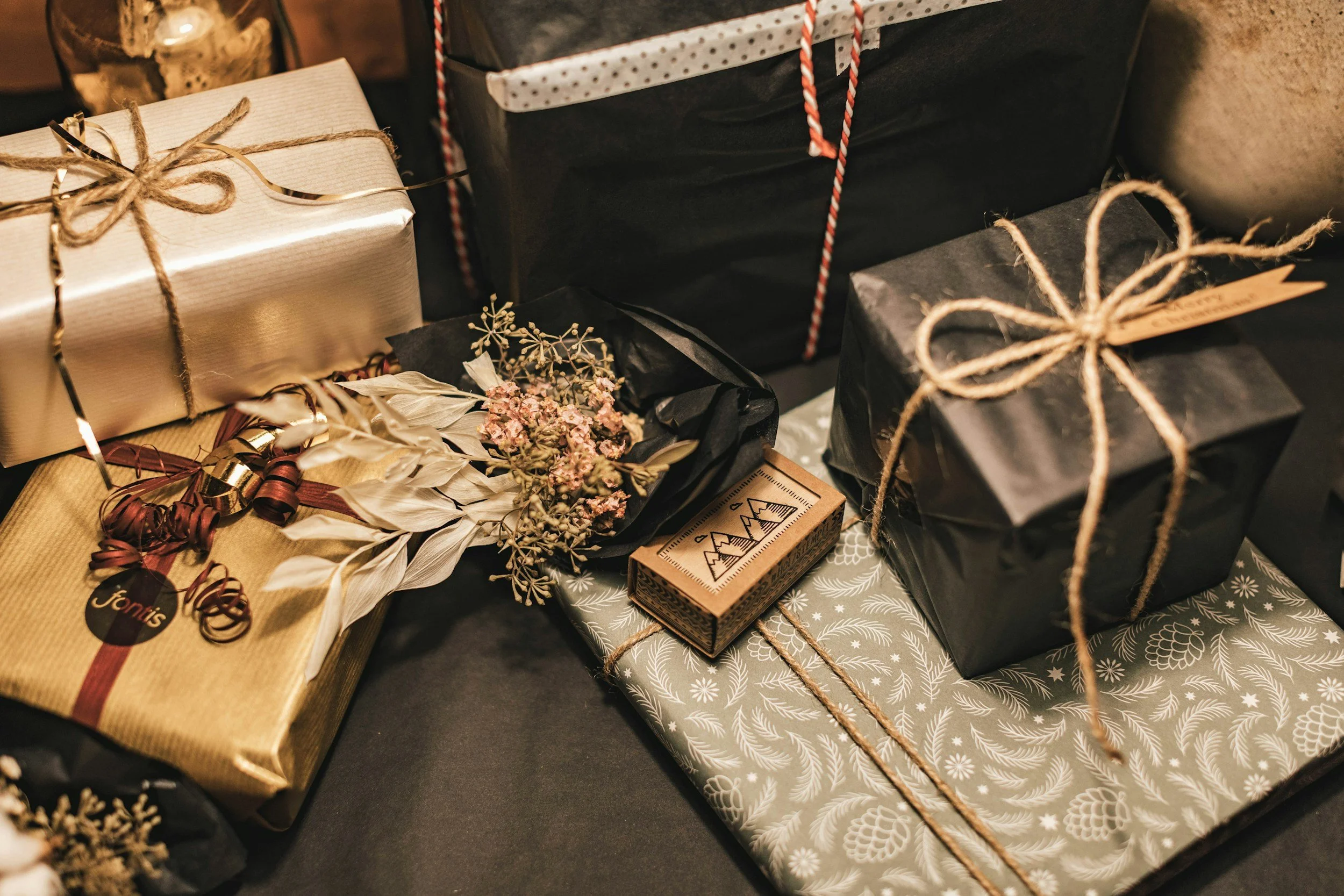
The bath set is unwrapped. Everyone says it looks lovely. The person who received it smiles, says thank you, and quietly wonders where to put it.
The gift-giver meant well. Scented candles, bath sets, lotion trios, perfume, and diffusers are familiar gifts. They’re part of the standard holiday script. But for someone who lives fragrance-free, they may be gifts that can’t be used.
If you’re shopping for someone who chooses fragrance-free products, you don’t have to guess your way through the personal care aisle. A little curiosity can make the gift feel more personal, not less surprising.
Why gifting is an easy place to get stuck
Scent is built into a lot of gift categories. A set of scented soaps feels like a safe option. A candle seems cozy. A diffuser looks thoughtful. None of that makes the gift-giver careless. It just means fragrance is so often treated as a default that we may not think to question it.
The person receiving the gift may appreciate the thought and still be unable to use the product. That can be awkward for both people. They don’t want to seem ungrateful. You don’t want to hand them one more item they have to pass along or leave untouched.
A useful gift starts with the person, not the category we usually reach for.
“Natural” and “unscented” aren’t the same as fragrance-free
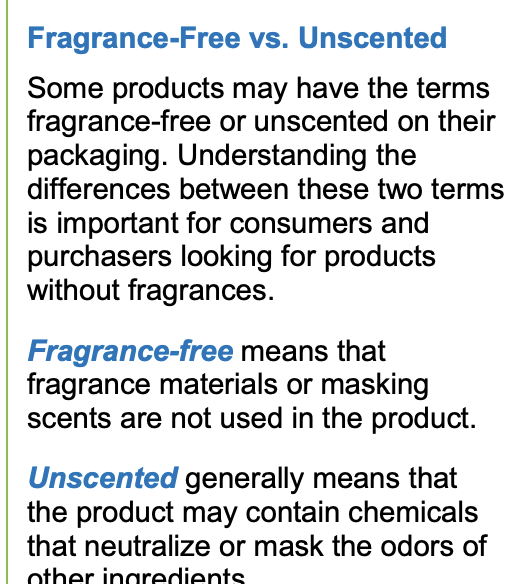
Source: epa.gov
When you’re shopping, words like “natural” and “clean” can sound reassuring. They don’t tell you whether a product is fragrance-free. Essential oils and some plant extracts can contribute scent, even when they come from plants. “From nature” is not the same as “no fragrance.”
“Unscented” can also be confusing. A product may have ingredients added to cover or mask the smell of other ingredients. The EPA’s fragrance-free guidance explains the distinction between fragrance-free products and products that use masking scents. If you’re shopping for someone with specific preferences, the label alone may not answer every question.
Look for clear ingredient information and a brand that explains what it means by fragrance-free. If you’re unsure, ask the person before buying. Their own experience with a product matters more than a promising front label.
The gifts that are least likely to miss
The most reliable personal care gift is a fragrance-free product from a brand that is transparent about its formula. Read the ingredient list and any details the brand shares about fragrance, essential oils, and masking agents. If the person has told you what they can use, follow that information rather than making a substitution based on a similar-looking label.
A bar of fragrance-free soap or a bottle of fragrance-free lotion might seem like a practical gift. Practical can be thoughtful. But a product being fragrance-free doesn’t mean it’s right for every person. Skin preferences, textures, ingredients, and familiar routines all count. If you know they already use a particular product, a refill or matching item may be a safer choice than trying something new.
Kynd Alchemy Fragrance-Free Hand Soaps
I’ll say the obvious thing, since we sell one. Our fragrance-free hand soap comes in 2 oz ($7), 12 oz ($18), and 16 oz glass ($26). No synthetic fragrance, no essential oils, no masking agents. Eleven ingredients, in order of concentration, and each one explained in plain language on our site. It’s also certified cruelty-free through PETA’s program, which covers suppliers too. The 2 oz is the size I’d hand someone who wants to try it before committing to a bigger bottle. You can read the full list before you buy, which is the part that matters most when you’re choosing for someone else.
A gift card to a brand they’ve already said they trust is another dependable option. It gives them the choice without asking them to start their search from scratch. You can make it feel personal with a note about why you picked that brand. Ours starts at $25 if you’d rather hand over the choosing.
You can also gift something they’ve specifically named. That might be a certain soap, a book, a favorite snack, or an item for a hobby. If food is on your list, check any dietary preferences or restrictions first. The point isn’t to turn gift-giving into a research project. It’s to pay attention to what the person has already shared.
And there’s no requirement that a thoughtful gift be a personal care product. A book, a piece of art, a game, an experience, or a practical item for a favorite activity can all be lovely. Choose the person’s interests, not the scented version of self-care by default.
Asking is not rude. It’s useful.
If you don’t know what they use, ask. You can say:
“I’d like to get you something you can actually use. Is there a brand or product you already trust, or would you rather I go a different direction?”
That question is considerate. It doesn’t spoil the surprise. It lets you choose a gift with a much better chance of being welcome.
Most people would rather answer one quick question than receive another item they can’t use. And if they’d rather not name a product, they can point you toward a book, an experience, or something else they’d enjoy.
If you’re buying for a group or organizing a workplace exchange, you can make the whole thing easier by suggesting a fragrance-free theme. That gives everyone room to choose a gift without singling out one person or asking them to explain their choices in front of the group.
Make a new product a small, low-pressure try
If the person is open to trying something new, travel sizes and smaller formats can be a sensible place to start. They’re a lower-commitment way to test a product than a large bottle or a multipiece set. Still, small size doesn’t guarantee a good fit. Share the full ingredient information, and let the recipient decide whether they want to try it.
Keep the receipt, or include a gift receipt. That’s not a sign that you expect the gift to fail. It gives the person options if the product isn’t right for them.
Presentation can be simple, too. Use plain wrapping and skip scented extras such as fragranced tissue or potpourri. You don’t need to turn a present into a production. A kind note and a little care in how you put it together are plenty.
The best gift shows you paid attention
At Kynd Alchemy, the full ingredient breakdown is published on our site, down to why each one is in the formula. That matters for a post like this one. I’m not telling you to buy it as a gift, and it is not the only right answer. I’m saying that a brand should be able to show you what is in the bottle before you hand it to someone you care about. That is the standard I would hold any gift to.
If you want a better starting point for understanding someone’s fragrance-free choices, our free guide to supporting someone who lives fragrance-free covers everyday situations, including gift-giving. It’s there to help, with no purchase needed.
You don’t have to find the perfect fragrance-free product by luck. Ask what they trust, choose something they’ve named, or give them room to pick. A good gift doesn’t prove you guessed right. It shows you paid attention.
With kindness,
Ana